
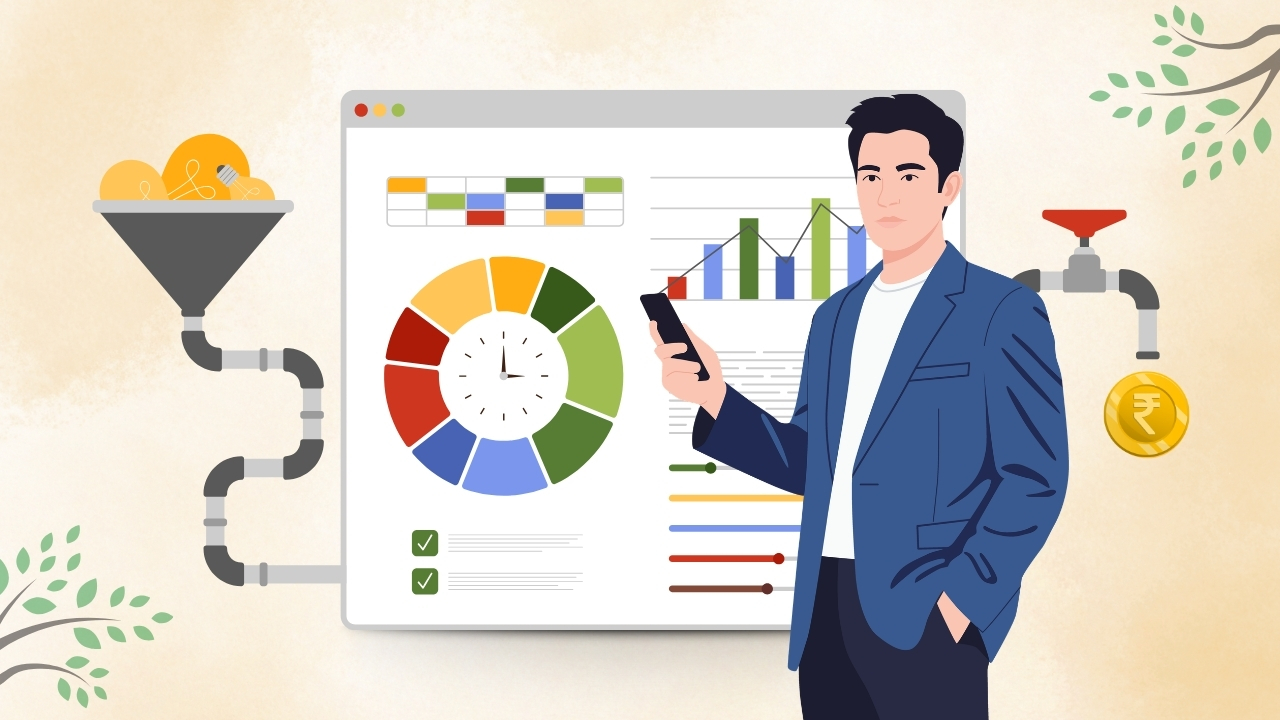
Creating Marketing Funnels That Increase Customer Conversions
Online marketing becomes more effective when businesses guide people through a planned customer journey instead of relying on random promotional efforts. A marketing funnel helps companies organize this journey by leading potential buyers from early interest to final purchase.
Many businesses struggle with low conversions because visitors arrive on a website without a clear reason to stay, engage, or take action. A properly structured funnel solves this problem by delivering relevant information at each stage of the decision-making process.
Companies that improve their funnel strategy often experience stronger lead generation, better customer engagement, and more reliable sales performance.
The Purpose of a Marketing Funnel
A marketing funnel represents the path people follow before becoming customers. It focuses on understanding customer behavior and responding with the right communication at the right moment.
The process usually begins when someone discovers a business for the first time. Over time, that person may explore content, compare solutions, evaluate pricing, and eventually decide whether to make a purchase.
Rather than pushing immediate sales, funnels encourage gradual trust-building. This approach creates a smoother and more comfortable experience for potential customers.
Most funnel structures include the following stages:
- Awareness
- Interest
- Evaluation
- Conversion
Some businesses also continue the process after the sale by focusing on loyalty and repeat engagement.
Why Funnel Structure Matters
Marketing campaigns often fail when there is no clear customer journey. Businesses may generate website traffic, but visitors leave without interacting because the experience lacks direction.
A structured funnel helps businesses:
- Improve customer engagement
- Increase lead quality
- Simplify decision-making
- Reduce customer drop-offs
- Measure campaign performance more accurately
Funnels also allow businesses to identify weak points in the customer journey. This makes future improvements more targeted and effective.
Learning About the Target Audience
Strong funnels begin with audience research. Businesses must understand who they are trying to reach before creating content or advertising campaigns.
Useful audience insights include:
- Customer goals
- Purchasing behavior
- Common concerns
- Online activity
- Preferred communication channels
When businesses understand these details, their messaging becomes more relevant and persuasive.
Customers respond better to content that reflects their real problems and expectations. Generic messaging usually creates weaker engagement because it lacks personalization.
Audience research may involve customer interviews, surveys, analytics tools, and competitor analysis.
Attracting Attention Through Awareness Campaigns
The first stage of a funnel focuses on visibility. Potential customers need to discover the brand before any conversion can happen.
Businesses commonly build awareness through:
Educational Articles
Informative blog content can help websites appear in search results while providing useful information to readers.
Social Media Engagement
Consistent activity on social platforms helps brands remain visible and approachable.
Video Content
Short videos, tutorials, and demonstrations often improve engagement and audience retention.
Paid Advertising
Targeted ads help businesses reach specific groups based on interests, behavior, and demographics.
At the awareness stage, businesses should focus more on providing value than promoting products aggressively.
Capturing Leads Successfully
Once visitors show interest, businesses need a method for continuing communication. This usually happens by collecting contact information through lead-generation offers.
Popular lead-generation resources include:
- Free reports
- Downloadable templates
- Webinars
- Product trials
- Consultations
- Email subscriptions
Landing pages should remain simple and focused. Visitors are more likely to respond when pages contain:
- Clear headlines
- Direct explanations
- Minimal distractions
- Simple forms
- Strong action buttons
Reducing unnecessary complexity often improves conversion performance.
Building Trust Over Time
Many customers need multiple interactions before making a decision. Lead nurturing allows businesses to maintain engagement while building confidence gradually.
Email marketing remains an effective nurturing strategy because it supports regular communication without overwhelming prospects.
Helpful nurturing content may include:
- Industry advice
- Product education
- Customer experiences
- Answers to common questions
- Useful recommendations
The purpose of nurturing is to strengthen trust through consistency and relevance.
Businesses that provide genuine value during this stage often create stronger long-term customer relationships.
Improving Conversion Opportunities
The conversion stage focuses on encouraging customers to take action. Even small improvements in this area can influence overall business performance.
Important conversion elements include:
Clear Communication
Visitors should quickly understand the value of the offer and the next step they should take.
Positive User Experience
Complicated navigation and slow-loading pages can reduce conversions significantly.
Mobile Optimization
Many users access websites through smartphones, making mobile-friendly design essential.
Customer Proof
Testimonials, reviews, and case studies help reduce uncertainty and increase confidence.
Strong Calls to Action
Direct action phrases often perform better than vague instructions.
Businesses that simplify the customer journey often achieve better conversion results.
Measuring Funnel Performance
Effective funnels require regular monitoring and adjustments. Businesses should review performance data to understand how users interact with each stage.
Useful metrics may include:
- Website engagement
- Lead conversion rates
- Email performance
- Cost per acquisition
- Sales completion rates
Testing different headlines, page designs, and messaging styles can reveal which strategies produce stronger results.
Consistent testing helps businesses improve performance over time instead of relying on assumptions.
Common Funnel Mistakes
Several issues can weaken marketing funnel performance.
Poor Audience Targeting
Attracting the wrong visitors often lowers conversion quality.
Confusing Messaging
Inconsistent communication can reduce customer trust.
Too Many Steps
Long or complicated processes may cause visitors to leave before completing actions.
Weak Follow-Up
Failing to continue communication after the first interaction often reduces sales opportunities.
Ignoring Analytics
Funnels should evolve based on measurable customer behavior and performance data.
Avoiding these problems can improve both customer experience and conversion rates.
Long-Term Benefits of Funnel Optimization
Well-structured funnels support more than immediate sales. They create systems that improve long-term marketing stability and customer retention.
Businesses with effective funnels often experience:
- More predictable growth
- Better customer loyalty
- Higher repeat purchases
- Improved marketing efficiency
- Stronger customer relationships
As digital competition continues to increase, businesses that create smoother customer experiences often achieve better results.
Conclusion
Marketing funnels help businesses guide potential customers through a structured decision-making process. Instead of relying on isolated campaigns, funnels create connected experiences that encourage trust, engagement, and conversions.
The most effective funnels focus on customer needs, valuable communication, and continuous improvement. Businesses that invest time in refining their funnel strategy are more likely to generate sustainable growth and stronger customer relationships over time.